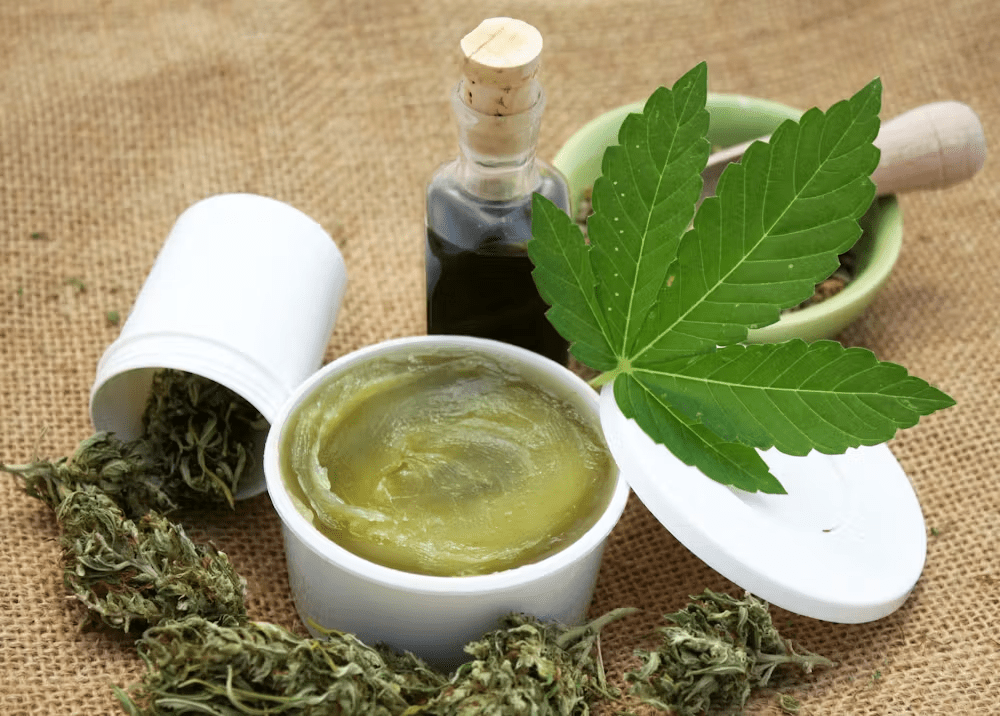
When people think of EMA cannabis, they often focus on THC and CBD, the two most well-known cannabinoids responsible for its psychoactive and therapeutic effects. But there’s another crucial group of compounds that play a significant role in the experience and benefits of cannabis: terpenes. Often overshadowed, terpenes are not only responsible for the distinct aroma and flavor profiles of cannabis strains—they also influence how cannabis affects the mind and body.
This article explores what terpenes are, how they work, and why understanding them is essential for anyone seeking to optimize their cannabis experience.
What Are Terpenes?
Terpenes are naturally occurring aromatic compounds found in plants, herbs, fruits, and even some animals. In cannabis, they are secreted in the same glands that produce cannabinoids and contribute to the plant’s unique smell and taste.
Over 150 different terpenes have been identified in cannabis, and each strain has a unique terpene profile that affects more than just scent. These compounds interact with cannabinoids and the body’s endocannabinoid system (ECS), influencing the overall effects of the plant—a phenomenon known as the “entourage effect.”
The Entourage Effect Explained
The entourage effect refers to the synergistic interaction between cannabinoids, terpenes, and other cannabis compounds. Rather than working in isolation, these compounds enhance or balance each other’s effects.
For example:
A high-THC strain might feel overly intense for some, but if it’s rich in myrcene, a calming terpene, it may feel more relaxing.
A strain high in limonene may feel more energizing and mood-lifting, even if THC levels are moderate.
Understanding the terpene profile of a strain can help predict its effects more accurately than THC or CBD percentages alone.
Common Terpenes in Cannabis and Their Effects
- Myrcene
Aroma: Earthy, musky, with hints of cloves or cardamom
Effects: Sedative, relaxing, muscle-relieving
Found in: Mangoes, thyme, lemongrass
Strains: Granddaddy Purple, OG Kush
Often associated with the “couch-lock” effect, myrcene is the most abundant terpene in many indica strains.
- Limonene
Aroma: Citrus (lemon, orange)
Effects: Uplifting, mood-enhancing, stress-relieving
Found in: Lemons, oranges, peppermint
Strains: Super Lemon Haze, Durban Poison
Known for its anti-anxiety and antidepressant effects.
- Pinene
Aroma: Pine, forest-like
Effects: Alertness, memory retention, anti-inflammatory
Found in: Pine needles, rosemary, basil
Strains: Jack Herer, Blue Dream
May counteract short-term memory loss often associated with THC.
- Linalool
Aroma: Floral, lavender
Effects: Calming, anti-anxiety, sleep-inducing
Found in: Lavender, mint, cinnamon
Strains: Amnesia Haze, LA Confidential
Often used in aromatherapy for relaxation and stress reduction.
- Caryophyllene
Aroma: Spicy, peppery
Effects: Anti-inflammatory, pain-relieving
Found in: Black pepper, cloves, cinnamon
Strains: Girl Scout Cookies, Bubba Kush
The only terpene known to directly bind with CB2 receptors in the ECS, offering strong therapeutic benefits.
- Humulene
Aroma: Earthy, woody, hops-like
Effects: Appetite suppressant, anti-inflammatory
Found in: Hops, basil, coriander
Strains: White Widow, Sour Diesel
Why Terpenes Matter
- Customization of Effects
Knowing the terpene content allows users to choose strains tailored to their needs—whether it’s pain relief, anxiety reduction, or focus and energy. - Therapeutic Potential
Terpenes have shown promise in various clinical and preclinical studies for their anti-inflammatory, antifungal, antibacterial, and neuroprotective effects. - Enhancing or Balancing Cannabinoids
Terpenes help modulate the effects of THC and CBD. For instance, pinene may help reduce THC-induced memory issues, while linalool may help calm THC-related anxiety.
How to Find Terpene-Rich Products
Check Lab Reports: Reputable dispensaries and brands provide third-party lab testing that includes terpene profiles.
Choose Full-Spectrum Products: These retain a broader range of cannabinoids and terpenes, offering a more complete entourage effect.
Use Your Nose: Often, your body naturally gravitates toward the terpene profiles that are right for you.
Tips for Preserving Terpenes
Terpenes are volatile, meaning they can easily be destroyed by heat or improper storage. To preserve them:
Store cannabis in airtight, UV-resistant containers.
Avoid extreme temperatures and humidity.
Use low-temperature vaporizers to maintain terpene integrity.
Final Thoughts
Cannabis is a remarkably complex plant, and terpenes are a vital part of what makes each strain unique. They go beyond just smell and taste—they influence how cannabis makes you feel and how effective it is for various conditions. Whether you’re a medical user seeking relief or a recreational consumer looking for a particular experience, understanding terpenes can help you make smarter, more personalized choices.
 Site Title
Leave a comment